Friday, January 4, 2019

Horse-chestnut leaves are brown - what's happening?

In the last decade, the image, which is already common in all southern countries (Latvia, Lithuania, Poland), and is now even the so-called "normal" - is, the previously nice green leaf chestnuts (Aesculus hippocastanum) has been replaced with trees with brownish leaves and it is sometimes massive.

Horse-chestnut leaf miner Damage (Cameraria ohridella). Photo: Ravel Reiljan

What? Who?
In this case, it may be a moth, known as a horse-chestnut leaf miner (Cameraria ohridella).
The moth is in itself a nice-looking and meaningful being - http://insecta.pro/gallery/70366, its larvae are making the brown spots that can distract us.
In the case of soft winters, the pupae spend their time
cheerfully in the fallen leaves and are back in action in the springtime.
   There is also a fungal disease in Estonia that causes quite same thing, it is called Guignardia aesculii, but it can be easily distinguished from horse-chestnut leaf miner actions - look at the damaged leaf against light, and if you see that the spots are much brighter than the edges, it is a leaf miner work.


Horse-chestnut leaf miner Damage (Cameraria ohridella). Photo: Ravel Reiljan


Why is it like that?
This is probably because the climatic conditions of our location have changed for years now - long dry autumns and soft winters - all this has affected the general health of plants and the possibilities of fungi and insect pests living in different warmer regions to move to new hunting grounds.


Is it dangerous to plants?
At the moment, in general, not particularly - it is a problem for the plant to prevent the photosynthesis process and thus to inhibit the natural processes of the plant, but for humans, the problem is limited to a reduction in the ornamentation of the plants, which, for example, in certain gardens like botanical gardens, arboretums and nurseries can be quite uncomfortable.


What to do?
In principle, we can do our best for our plants - to take care of the availability of nutrients in the soil and access the necessary moisture, and - collecting and burning or composting the fallen leaves is a very important factor - this is probably the most useful method of protection.


Source: Urbandendro

http://ravelreiljan.blogspot.com/

Thursday, December 20, 2018

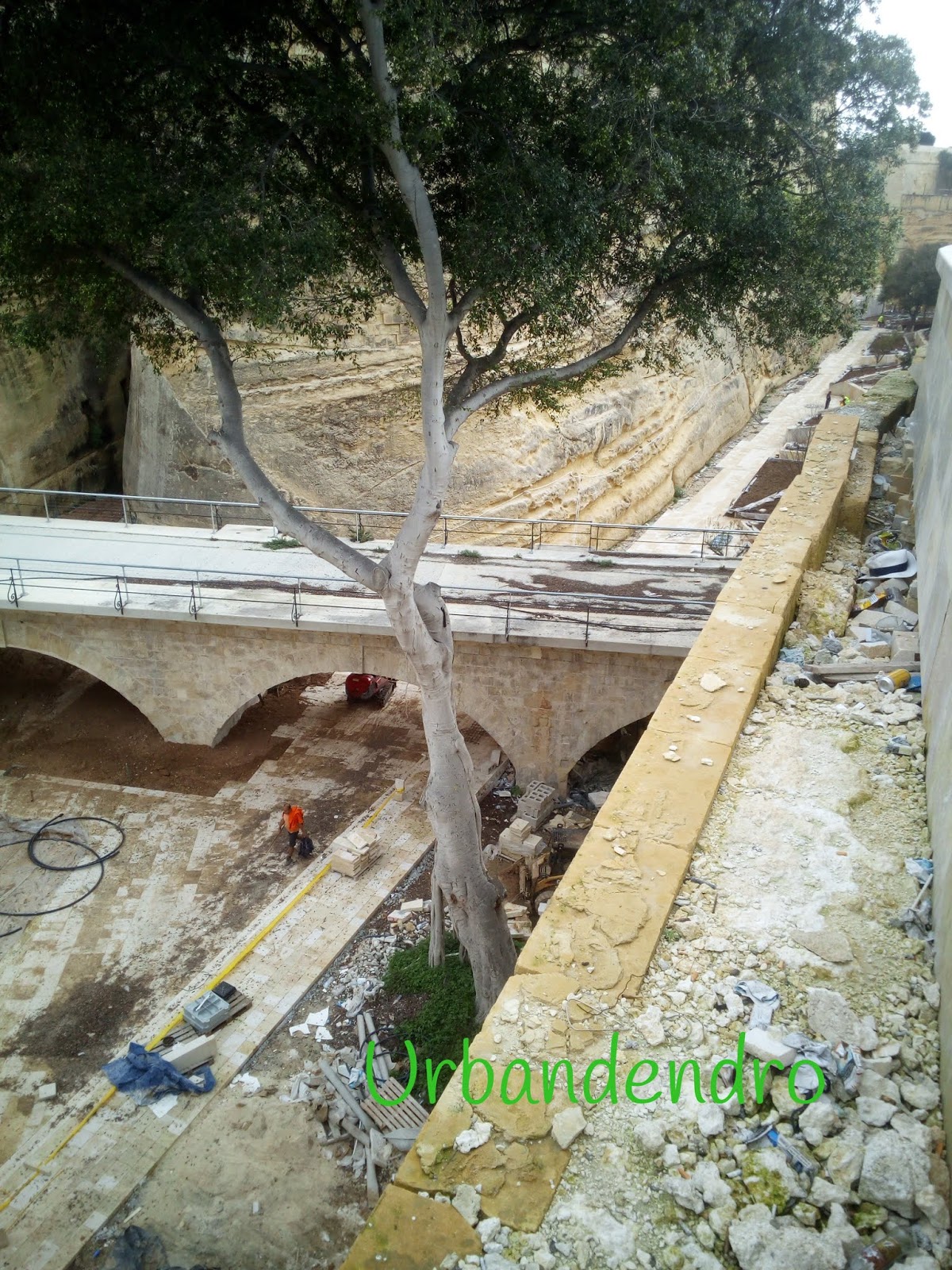
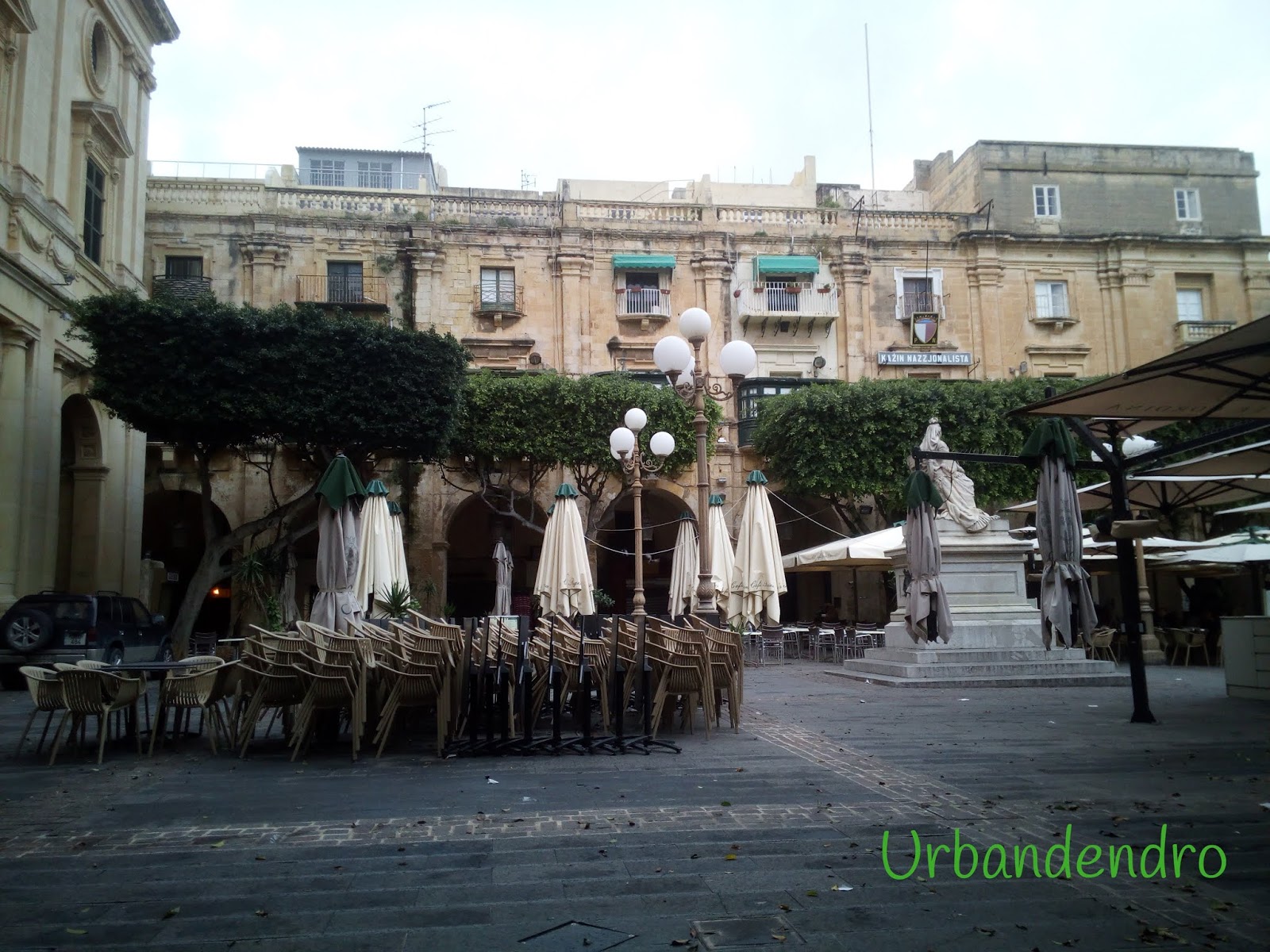
Malta and Dendro in Urban

Malta has moved in the right way - if we talk about Dendro in Urban.

Despite the development and growth of cities and urban areas, attention has always been paid to the successful coexistence of plants, urban animals and urbanization.
Urban areas can only be successful if the coexistence is working - and in Malta - it is.


Friday, November 30, 2018

Christmas time - a difficult period for plants and the environment

According to different sources, it is mentioned that every year about 2 billion people celebrate Christmas.

And it might be that most of them will bring in the home either spruce, fir, wreaths or branches of live trees, plastic or other materials.

However, lot of people might not think that any such activity also requires the use of resources (oil, labor) or use of environmental resources, not to mention the general environmental impacts.

If you take the tree from forest – probably it has not good effect for forest - in addition to the disturbance of the natural environment, it also entails costs and, to some extent, pollution of the environment - it requires the transport (fossil fuels), the taken tree needs replacement (labor, fossil fuel, paperwork) later, tree needs to be disposed (fuel), etc.

Also, if you buy plant from nursery - the owner of the nursery gets a income that should cover his expenses and new investments, but each Christmas tree will need many years to use land that could be used for something else - as well as labor costs, fossil fuel costs, watering costs, etc.
Later, there will be additional shipping costs and disposal costs.

The use of artificial trees and wreaths might be even more hostile to the environment - every product requires a certain amount of material, a certain amount of clean water, the use of colorants, labor costs and transport costs.
In addition, artificial things can also be dangerous for human health (material, colorants, volatile particles, etc.).

Damages and costs may seem small and insignificant to us, but if we multiply one small damage by a modest estimate of as much as one billion, then we get a huge amount of resources spent on Christmas trees on a global scale every year.

Of course, celebrating or not celebrating Christmas is a personal decision of every person, but perhaps it can be done with less environmental damage?

Source: Urbandendro
http://ravelreiljan.blogspot.com/

Friday, October 26, 2018

Climate change in Estonia through the eyes of the arborist - Part II

Another very serious problem that is threatened Estonian´s plants by the climate change is the excessive dryness and the changes in groundwater levels, which may be either short-term or long-term.

It can be very strong stress for the plants and prevents strongly their photosynthesis processes.

The problem covers all woody plants, but the observations made over the last few years provide a basis for the particular sensitivity of certain species.

Seems that oaks (Quercus robur) will be the first seriously affected plants - older trees that are accustomed to groundwater levels, are now confused and their branches start to dry massively from the top.

Then, of course, the birches (Betula pendula), which are particularly affected this year, and losing their crown density (Neonectria?) and, of course, the maples (Acer platanoides).


In addition, it should be noted that elms (Ulmus glabra), which are suffering hardly from stress and fungal pathogens (Ophiostoma ulmi and Ophiostoma novo-ulmi), the common european ash tree (Fraxinus excelsior), which are felled by ash dieback (Hymenoscyphus fraxineus).

The situation is also serious in the case of lime tree (Tilia cordata), which has big problems with Stigmina compacta.


It seems that this is a period of adaptation or non-compliance with climatic changes, which may take many-many years.  
As a result, lot of older trees will surely die in Estonia, but new generations will become more and more resistant to diseases and will be stronger.

For our part, we can continue to do what mentioned in the previous article - to take care of the correct acidity, moisture levels and nutrients for the soil and, if necessary, modifie / improve.


If we will take care of the plants - then they will earn us well.


Source: Urbandendro
http://ravelreiljan.blogspot.com/

Tuesday, September 18, 2018

Climate change in Estonia through the eyes of the arborist - Part I

The turning point in relation to the Estonian plant kingdom seems to be at least in my eyes in December 26, 2004, when the earthquake in the Sumatra region shocks literally the entire planet.
The storm, which came in the beginning of January in 2005, seems to be the beginning of the changes for the whole Estonia as well as for the region of Pärnu county.

It seems that from that moment something changed, since our springs began to be dry, and also a bit more - from the point of view of plants - quick-tempered.
Also autumns stretches for longer and again to dry up.  
Now are our winters wierd - sometimes snowy, sometimes freezing - and the stability has been replaced by high temperature variations.
And even summers has changed - sometimes it's a typical "bad skiing weather", but in recent years it tends to be unusually hot / humid or too dry.

It could be said that our climatic conditions have become very diverse.
The changes in all four seasons are, of course, well seen in the plant kingdom - at least in the woody-plants world.
Changes generally occur in two major lines:


1. Stress
2. New diseases, fungis and pests

In recent years, there are quite a lot of stress factors depending on the climatic conditions - previously described spring and autumn water shortages that prevent plants from successfully starting or ending their growth years - this means autumnal dryness reduces winter resistance and increases the chance of frost damage. 

Well, and when the spring is warm and rainy, our plants are momentally stressed. 
But if the plants are stressed, they are also weak and are much more susceptible to various diseases and pests.
A good example - we have a meny years now a new and strong problems - oak powdery mildew (Erysiphe alphitoides), the horse-chestnut leaf miner (Cameraria ohridella) and also again DED (Ophiostoma ulmi or Ophiostoma novo-ulmi).
 These are just a few examples of illnesses and pests that have started to be quite fast in Estonia.

It seems that this is one of the most difficult times in the history of woody plants in Estonia, as it will be highly probable for plants to cope with various new diseases / pests.

Perhaps scientists can suggest something, but at the moment, it seems that during this period, plants must survive or die without the help of humans, and give a way to new varieties or other species.

From our side, we can only reduce the stress of plants to some extent - by taking care of the correct acidity, moisture levels and nutrients for the soil (everything can be controlled / monitored by the appropriate equipment) and, if necessary, modified / improved.


Source: Urbandendro
http://ravelreiljan.blogspot.com/